



Performance Wheels – More Complex Than Expected?
InPart 2/3: Wheel Components and Accessories of our"Leeze Wheel 1x1" series, we explained that, in addition to the core components of a wheel, certain accessories are also necessary to turn the wheel into a fully functional wheel system. Building on this, inthethird and finalpart, 3/3: Wheel Tuningand Optimization, we would like to explain in more detail which adjustment screws can be used to optimize complex wheel systems for maximum performance in cycling.
As a general rule, there is no such thing as the "perfect wheel system" that delivers optimal performance for all cycling needs. Different wheel systems for cycling are therefore tuned and optimized so that the wheel’s characteristics match the demands of a specific training or racing situation. Here, we can distinguish three key wheel characteristics in particular, whose tuning and optimization in wheel construction we will explain in more detail below: aerodynamics, agility and lightness, as well as all-around capability.
Maximum Aerodynamics - The Thrill of Speed
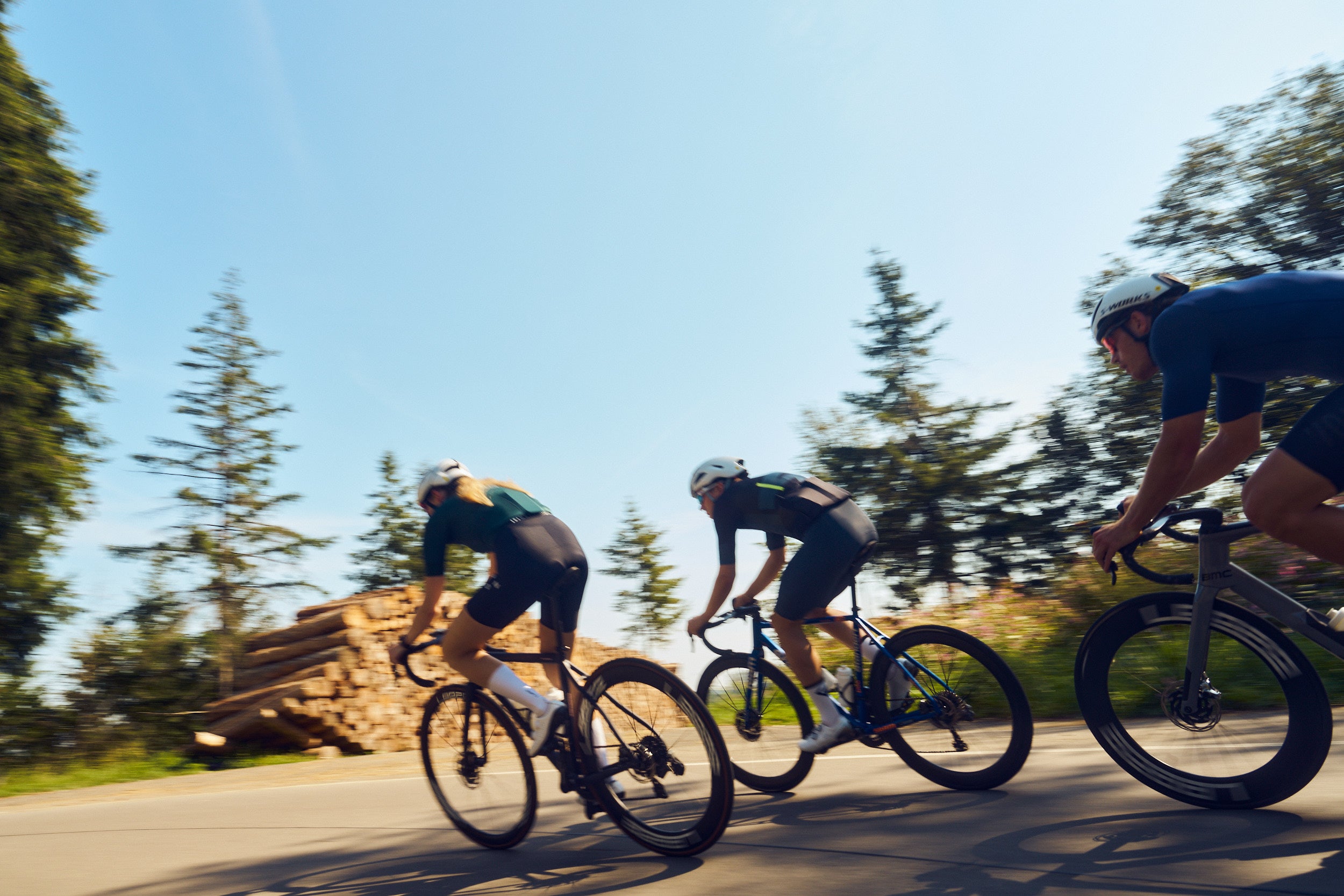
If you're a speed junkie who rides on flat routes or in time trials, aerodynamics is the key to boosting your performance. Aerodynamically optimized wheels are specifically designed to minimize air resistance and maximize speed on flat routes. Wheel systems are optimized for maximum aerodynamics using the following factors:
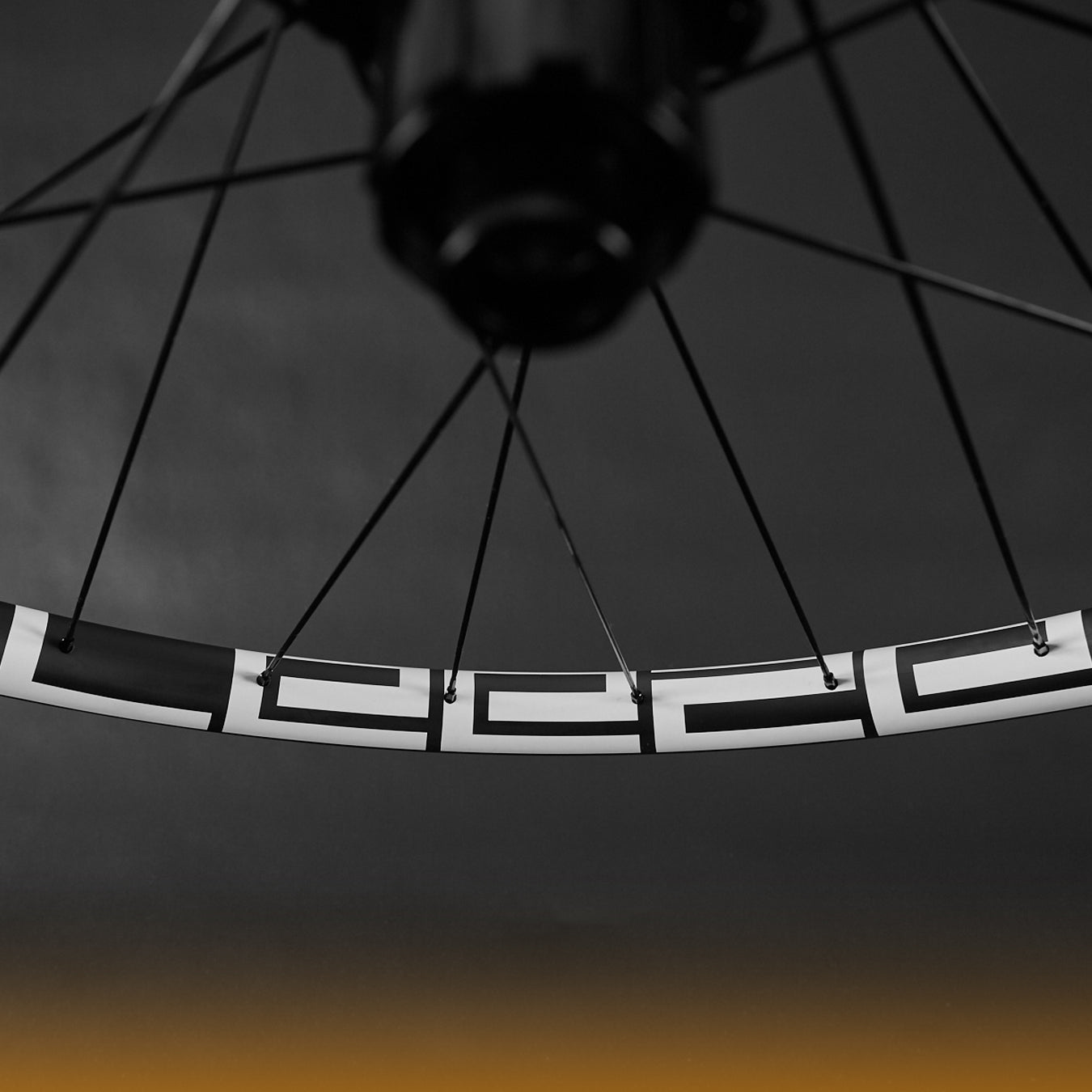
Rim profile:Very deep rims (70–80 mm) are used to direct airflow more efficiently around the wheel and optimize aerodynamic performance. This is exactly where the Leeze CC78 Disc EVO WASO comes in. Deep rims offer significantly improved aerodynamics but are heavier than shallow rims.
Spokes: Wheels with aerodynamic spoke profiles reduce air resistance. Flat spoke shapes (such as those created by using blade spokes) are often the best choice here: We use these in all of our road wheel sets.
Tire width:Especially on the front wheel, it is advisable to use narrower tires (25–28 mm) to further reduce translational drag (the drag caused by the airflow). Narrow tires have a smaller frontal area and thus reduce air resistance compared to wider tires. However, they must be ridden with higher tire pressure, which tends to reduce comfort. For this reason, our CC50 Disc Basic, for example, is optimized for maximum aerodynamics with 28–30 mm tires while still offering a high level of comfort.
Agility and lightness—responsive handling in every turn
Agility is a crucial factor, especially in technically demanding races with lots of turns, climbs, and descents. It all comes down to how quickly and precisely the wheel responds to changes in direction. In our most agile and lightweight wheels, such as the CC35 Disc EVO WASO or the CC25 Allroad EVO WSTO, the following aspects have been optimized:
Rim height:Medium rim heights (approximately 25–50 mm) improve handling and reduce the wheel’s inertia, resulting in faster acceleration and more agile handling.
Weight: Lighter wheels respond more quickly to acceleration and are easier to maneuver.
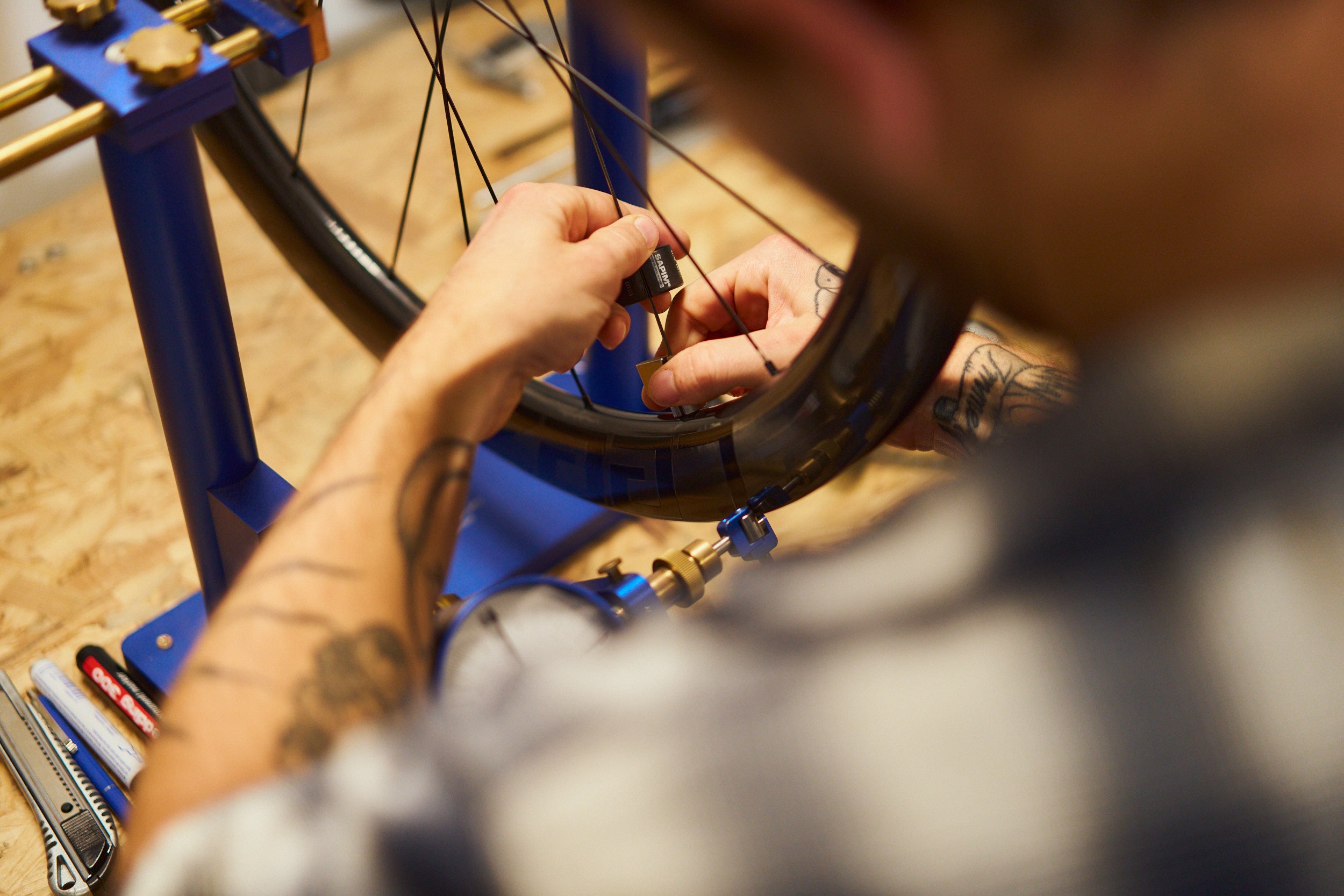
Spoke tension and pattern: Higher spoke tension can increase the stiffness of the wheel, resulting in better power transfer and a more direct riding feel. The spoke pattern—such as crossed or radial patterns—also affects responsiveness.
All-around capability – Your reliable companion in ever-changing racing conditions
All-round wheels are designed to deliver optimal performance in a variety of racing situations. They combine aerodynamic and agile characteristics and are often the choice for riders looking for a wheel set suitable for different conditions and race formats. When optimizing all-round wheels, such as theCC38 Disc BASICor the CH40 Allroad BASIC, attention is paid to a balanced combination of the following factors:
Rim profile: A medium to high rim height (e.g., 40–60 mm) offers a good balance between aerodynamics and weight, making it suitable for a wide range of conditions.
Tire selection: For all-round wheels, a tire width of 25–32 mm is standard, offering a good balance between rolling resistance, traction, and comfort. Especially with tire widths of 28 mm or more, tubeless tires can help further reduce rolling resistance and improve puncture protection.
Overall, it is clear that tuning and optimizing performance wheels is a complex undertaking that requires careful consideration of various factors. Whether the goal is maximum aerodynamics, outstanding agility, or versatile all-around performance, the selection and customization of the wheelset depend heavily on the cyclist’s individual needs and intended use.
This was the last part of the series "LEEZE Wheel 1x1". We hope you now have a better understanding of which wheels are the right choice for various applications. Do you have further questions about our wheels or want to know which wheel is specifically right for you? Then feel free to contact our service team by phone, WhatsApp, or contact form. We look forward to your questions!